
#UNICONTDC
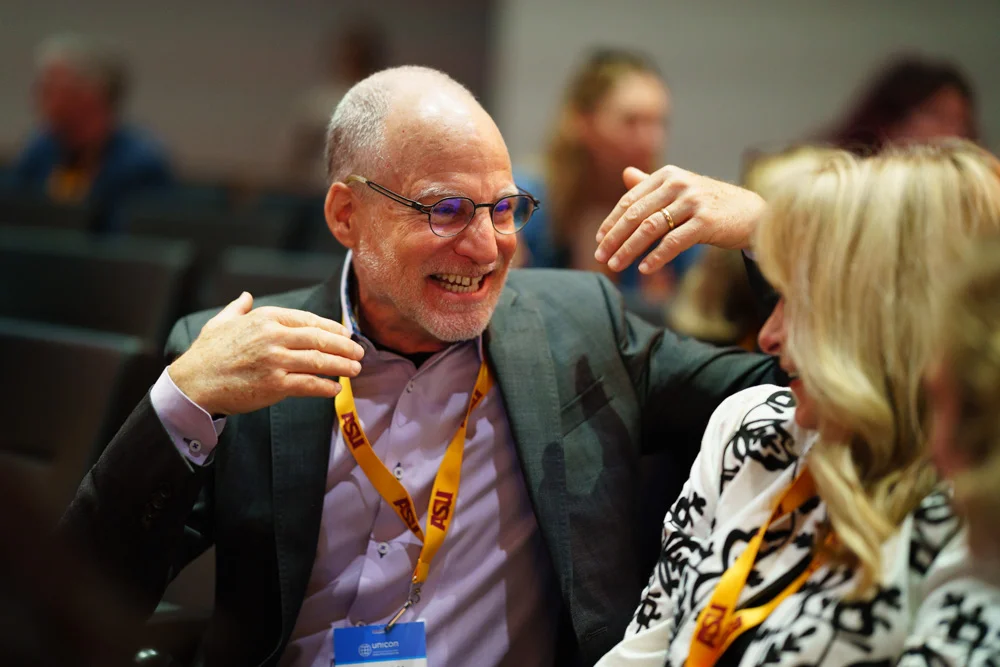
More than 180 executive education professionals from 13 countries came together at Arizona State University from November 17 to 20 for the UNICON Team Development Conference 2026.
Watch our final reel, then help us spread the word: like and share it on LinkedIn.
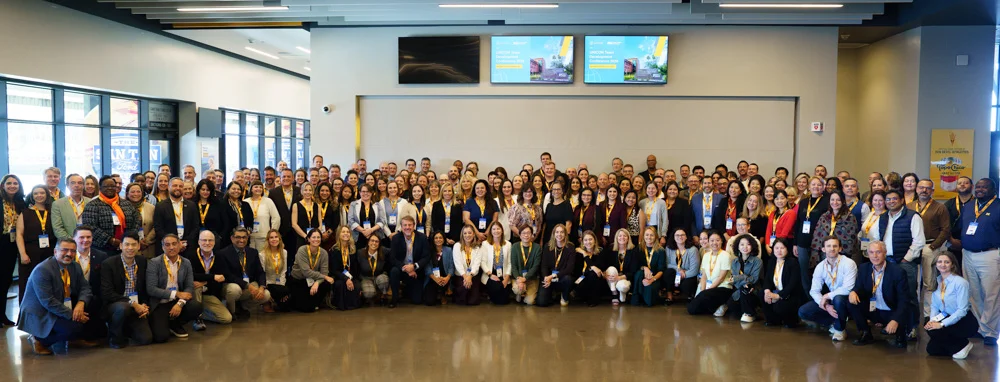
Over three days we compared notes on the state of the industry, saw how ASU is putting AI to work at scale, and built the kind of peer network that keeps paying off long after the conference ends.
Thank you to our hosts at Arizona State University for a superb program and a memorable venue. Here are the highlights.
Watch
The week in highlights
Get a first taste of the week in our interim reel, then help us spread the word: watch, like and share it on LinkedIn.
Day 0
The UNICON Leadership Academy meets at Arizona State University
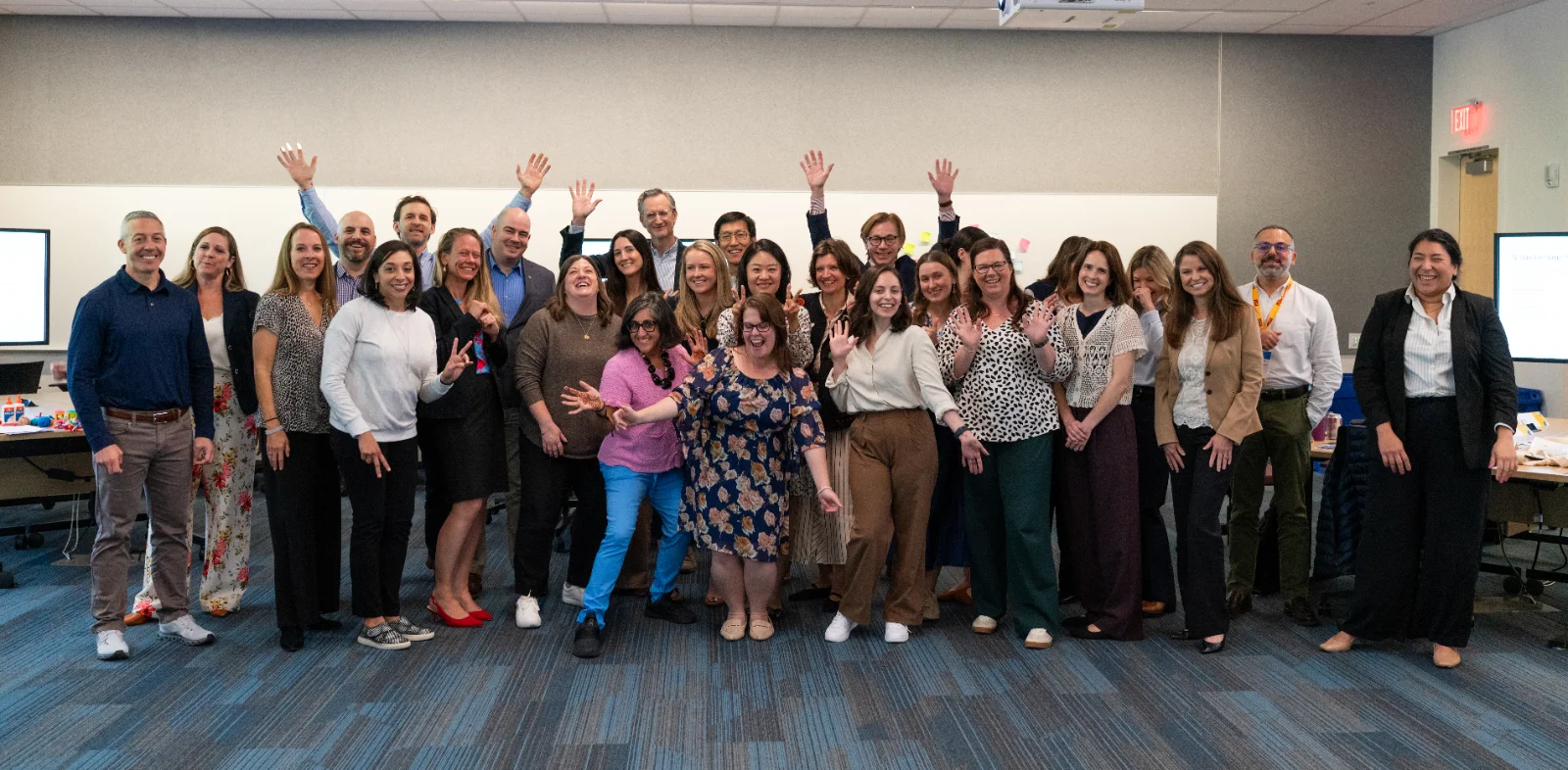
The week opened on Tuesday, November 17, with the current UNICON Leadership Academy (ULA) cohort at Arizona State University. ULA is our program for high-potential, mid-level leaders in executive education. It runs mostly online, with monthly two-hour sessions that introduce participants to every function of an executive education unit and the people who lead them around the world. This was the cohort's one in-person day.
The day was hands-on: sticky-note workshops, a rapid prototyping challenge with craft materials, and plenty of time to get to know each other. As one participant put it the next morning, it was "a really amazing opportunity to meet other upcoming leaders in executive education."
Day 1
A warm welcome, and where UNICON is heading
Wednesday began with a session for first-time attendees. Michelle Vaillancourt (HEC Montréal) shared what the UNICON Leadership Academy offers, and Dennis Lanham (Terry College of Business, University of Georgia) introduced Peer Pods. Together they walked newcomers through the many ways to get involved in UNICON:
- Peer Pods, the new name for our coffee groups: small virtual groups, organized by function, that meet quarterly and are one of the best ways to benchmark your role.
- Affinity groups, including the Technology Disruptors group, the CRM Group and our European Meet-Ups.
- Research and benchmarking, including white papers on specialist topics and the annual benchmarking survey.
- Committees, conference sessions and hosting, from leading a breakout to hosting a future conference.
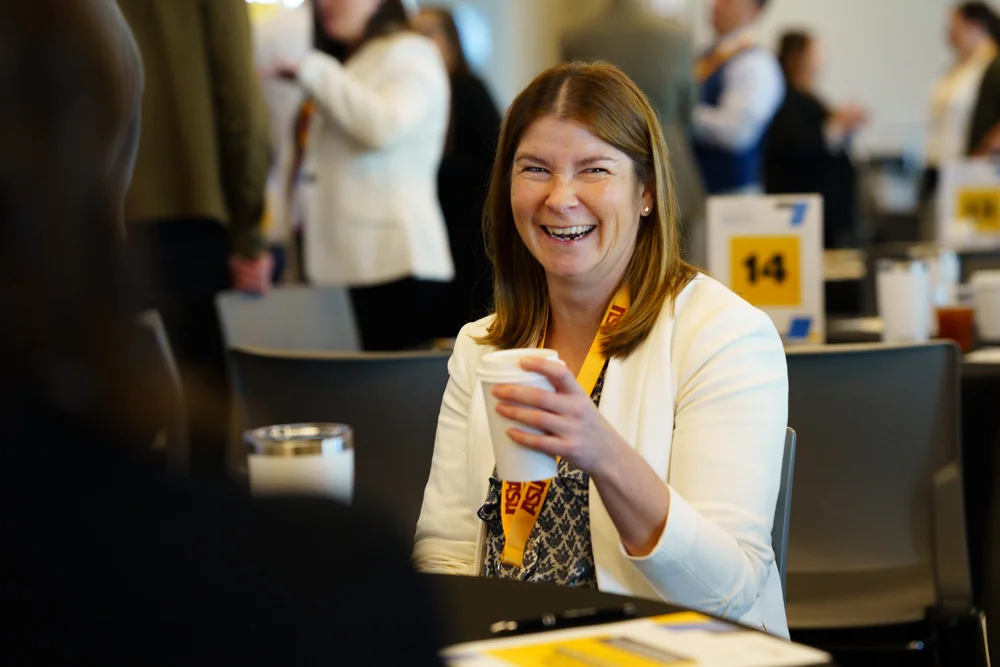
The room was a great mix: first-time attendees five weeks into their roles, ULA participants fresh from Day 0, and colleagues at their fourth Team Development Conference. Conversations quickly turned into talk of partnerships, from university-to-university collaboration to bringing cohorts to Scandinavia.
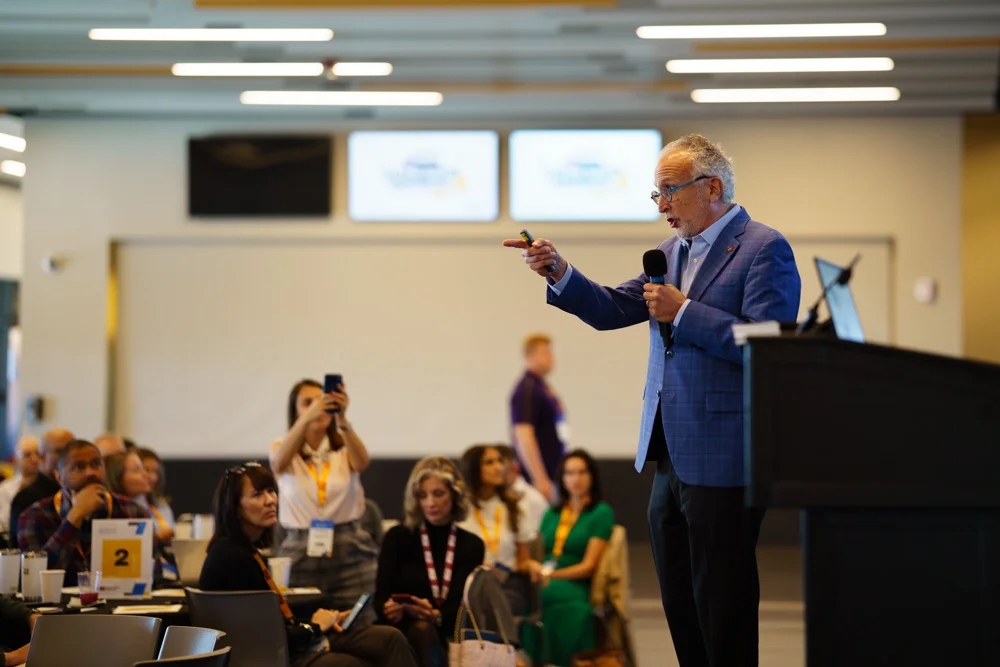
With Faith Dalzell as our presenter, Melanie Weaver Barnett, UNICON's Executive Director, and Board Chair Aldemir Drummond kicked off the conference and shared what's next for the consortium:
- Three new research papers are on the way, each with a webinar: on micro-credentials, on organizational structures, and "Beyond ROI" with IEDP. Look out for them in the monthly newsletter.
- A new research hub: thanks to our sponsors XED and Emeritus, we're rebuilding UNICON's research pages to make them easier to explore, one of our members' most frequent requests.
- Our strategic priorities for 2026 to 2027: reinforce the network as a high-impact learning platform, build a high-quality and globally representative membership, and lead capability development in executive education through a new Education Committee.
- Two schools moved to full membership: congratulations to the University of Warwick and Copenhagen Business School.
"This is one of the highlights of my year."Melanie Weaver Barnett, Executive Director, UNICON

"Take the opportunity to share your ideas, your thoughts, your fears… because I think that's very special about UNICON."Aldemir Drummond, Board Chair, UNICON

Our hosts Marco Serrato and Ohad Kadan then welcomed everyone to ASU. Founded in 1886, the university now serves more than 200,000 learners and launched the nation's first master's and undergraduate degrees in AI in business.
Keynote
Lev Gonick on ASU's AI journey
Lev Gonick, ASU's Enterprise Chief Information Officer, argued that universities are moving from an "edtech" era, built around separate apps, to a "tech ed" era in which technology makes personalized learning possible at scale. His takeaways for executive education:
- Start with principles, not policies. A 90-day consultation with faculty produced a short set of AI guiding tenets, including that AI should be accessible, private and human-centered, and no new policies.
- Put the tools in everyone's hands. ASU's CreateAI platform lets faculty and staff build AI experiences without code, choosing from more than 50 large language models. Tens of thousands of creators now use it.
- Simulations are a big opportunity. Agentic, persona-based avatars already let medical students practice patient interviews, a model that could transform labor-intensive cases and role-plays in executive education.
- Expect a long hybrid period. With more than 22,000 courses in its learning management system, ASU expects to run old and new models side by side for up to a decade.
He was also candid about what isn't solved yet, such as how AI tools fit with student privacy rules. You can explore ASU's AI stories at ai.asu.edu.
Benchmarking
Steady growth, rising expectations
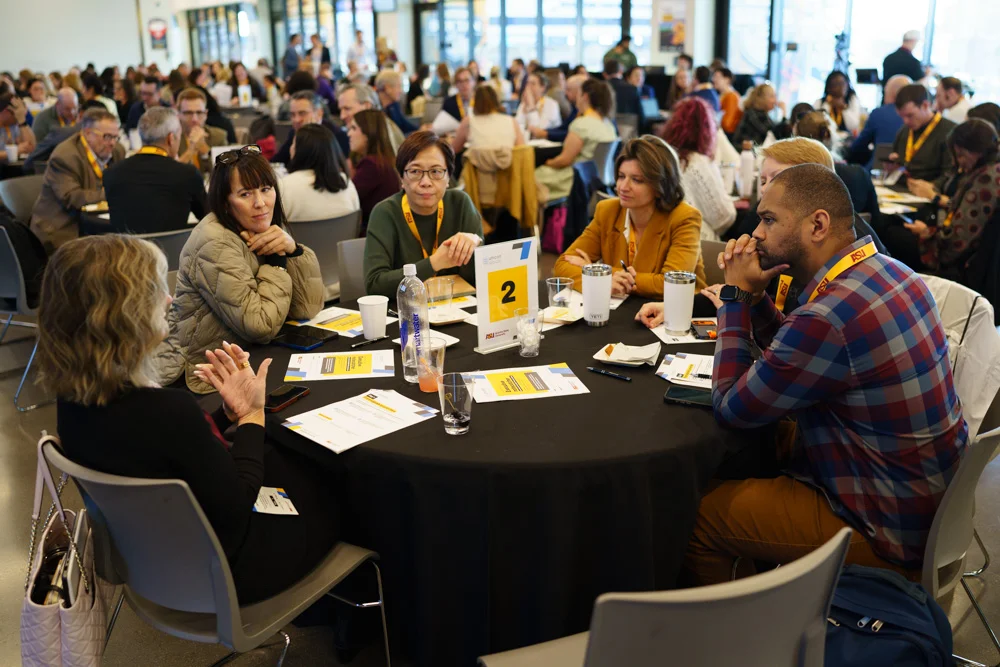
In the afternoon, the Benchmarking Committee shared first results from this year's survey, which 106 schools completed. It is the only dataset of its kind built specifically for our market, and it exists because members share their numbers with each other. The headlines:
- Revenue is still growing, but more slowly. Average non-degree revenue rose 3.8% (custom 4.5%, open enrollment 3.2%), the fourth year in a row that growth has slowed as the post-COVID surge settles.
- Clients want proof of impact. One in three schools now says demonstrating ROI is among the attributes clients value most, up from one in four in 2023. Yet only 23% formally measure ROI or behavior change.
- Retention matters most in custom. Two-thirds of custom revenue comes from repeat clients, compared with about a third in open enrollment.
- AI tops the agenda. It is the leading area of corporate training investment, and generative AI is now everyday practice in marketing and administration, though it is still rare in program delivery.
The mood in the room was optimistic all the same. Asked where their units are heading in 2027, the most popular answer was "invest to grow." All attendees have received the executive summary, and the full aggregate report and peer reports follow in December.
Day 2
Redesigning executive education, and learning in VR
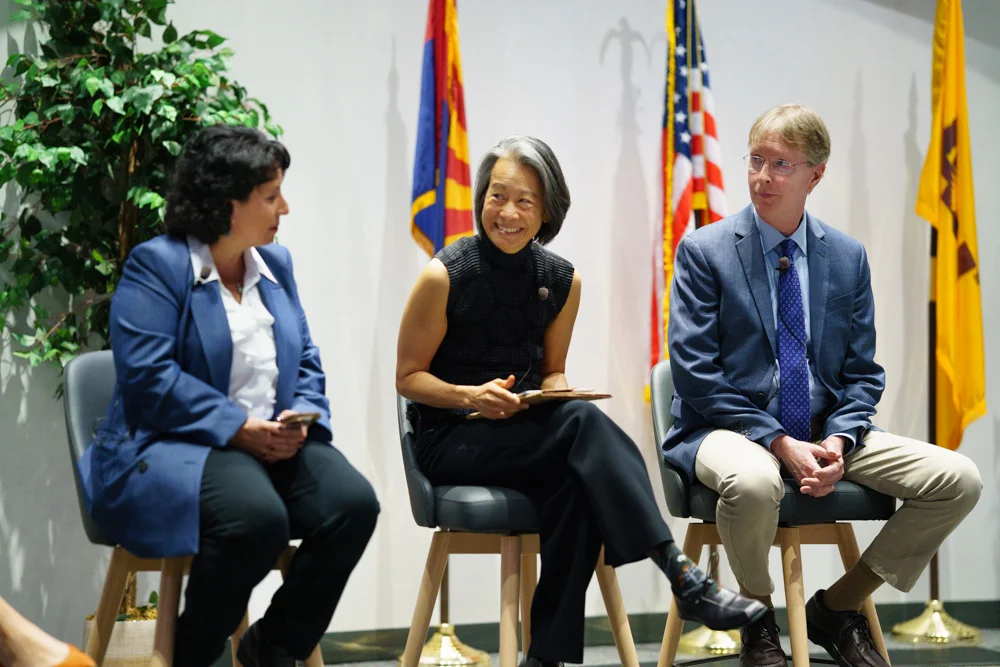
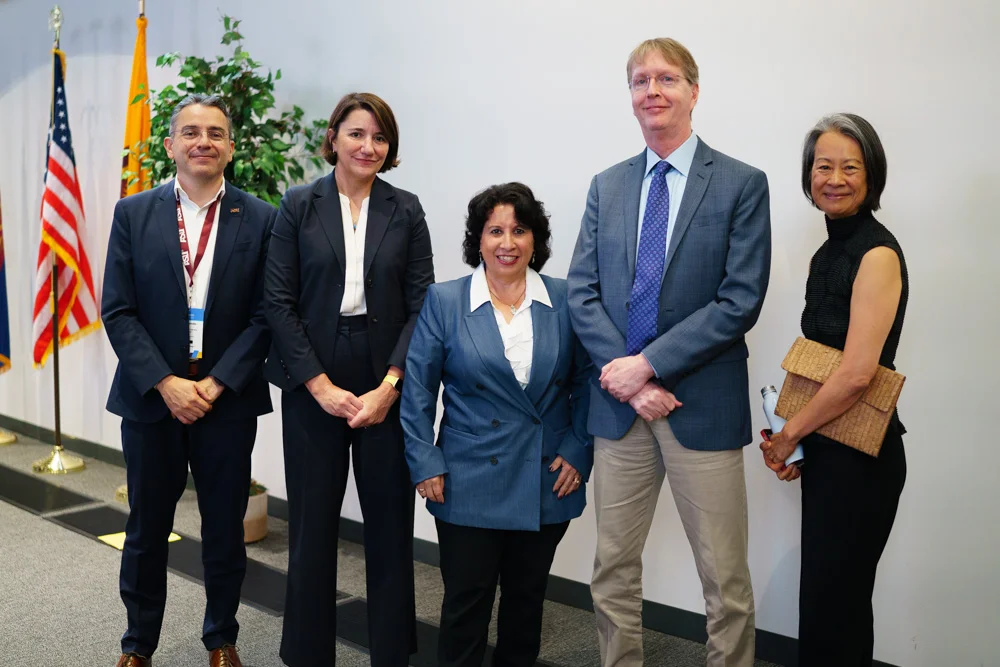
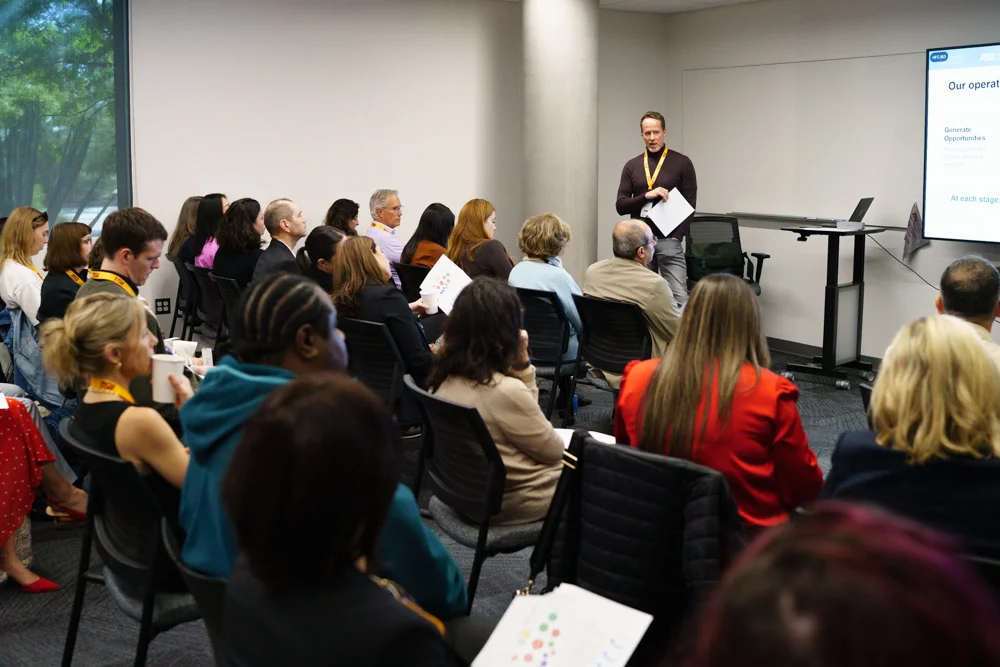
Thursday took us to the ASU Health Futures Center, where the day opened with a deans panel, "Executive Development in a Hyperdynamic AI-enabled World", with deans from across Arizona State University. Their shared message: clients no longer come to universities for content. They want help building lasting capability. Some of the ideas that stood out:
- Bring real work into the room. ASU has moved from "learn, then apply" to programs where client cohorts implement and measure real initiatives, such as deploying AI with measurable impact rather than simply learning about it.
- Knowledge is everywhere, understanding is not. Universities stand out by offering authentic experiences where someone genuinely cares about the result.
- Move faster. Some ASU programs now talk to industry almost continuously rather than once a year, and runs short pilots to update courses quickly.
- Make micro-credentials count. Stackable credentials only work if employers will hire on them.
- Lead with grace and a bias for action. Less hierarchy, more collaboration across schools, and comfort with incomplete information.
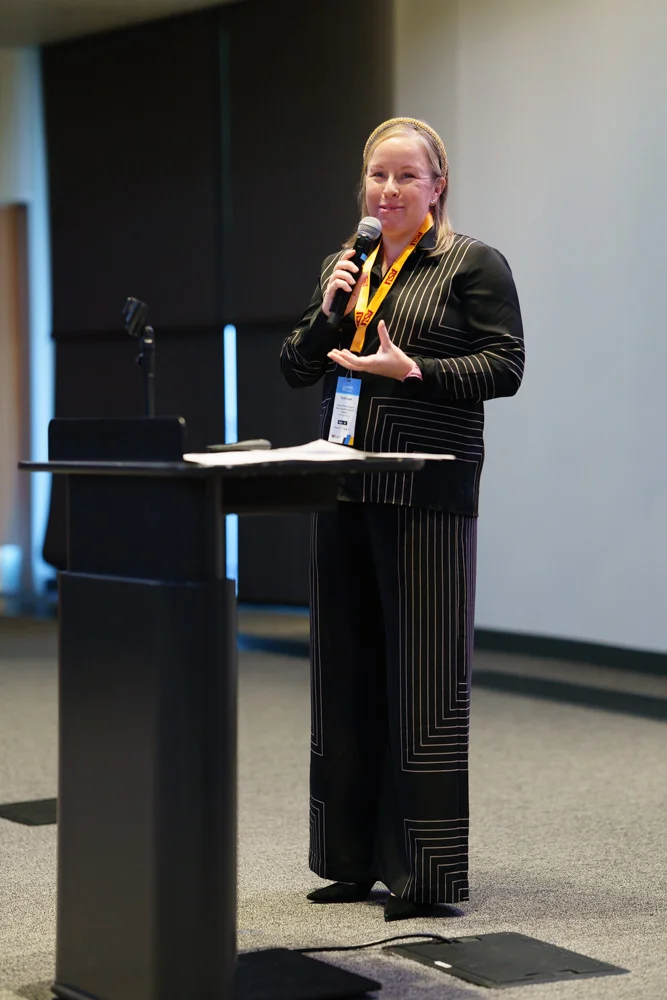
After a break, the How We Built It sessions gave member schools the stage to share innovative projects across two rounds, a format started by Johns Hopkins at the 2025 Team Development Conference.
How We Built It
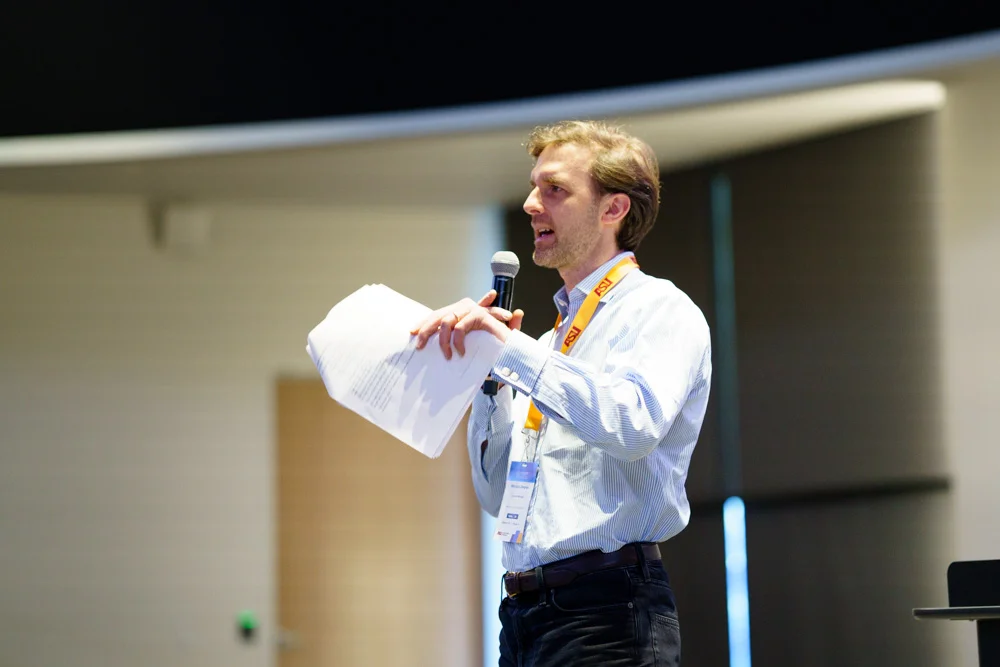
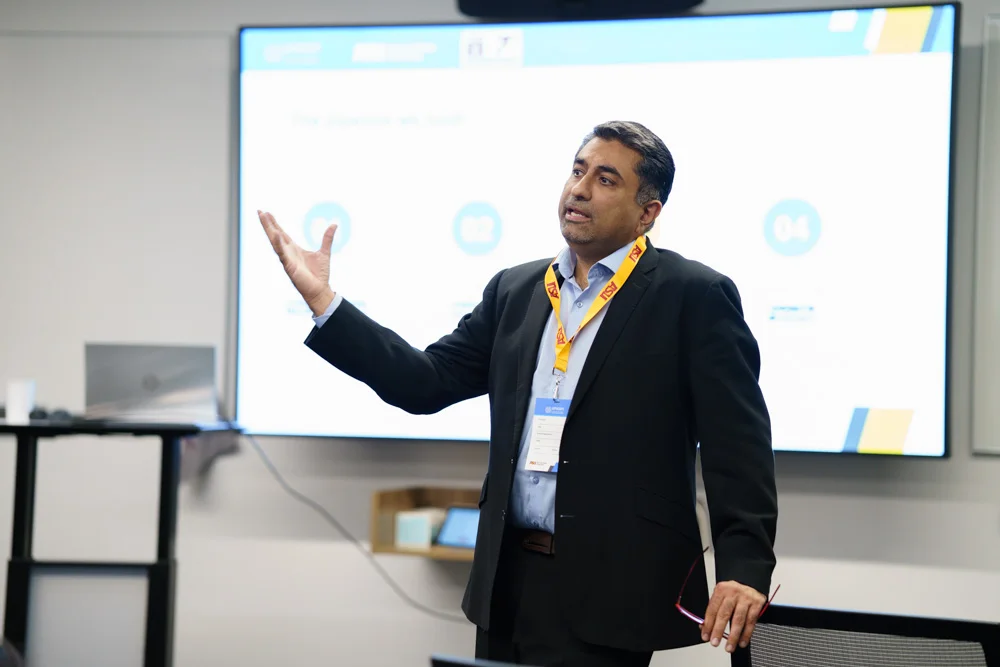
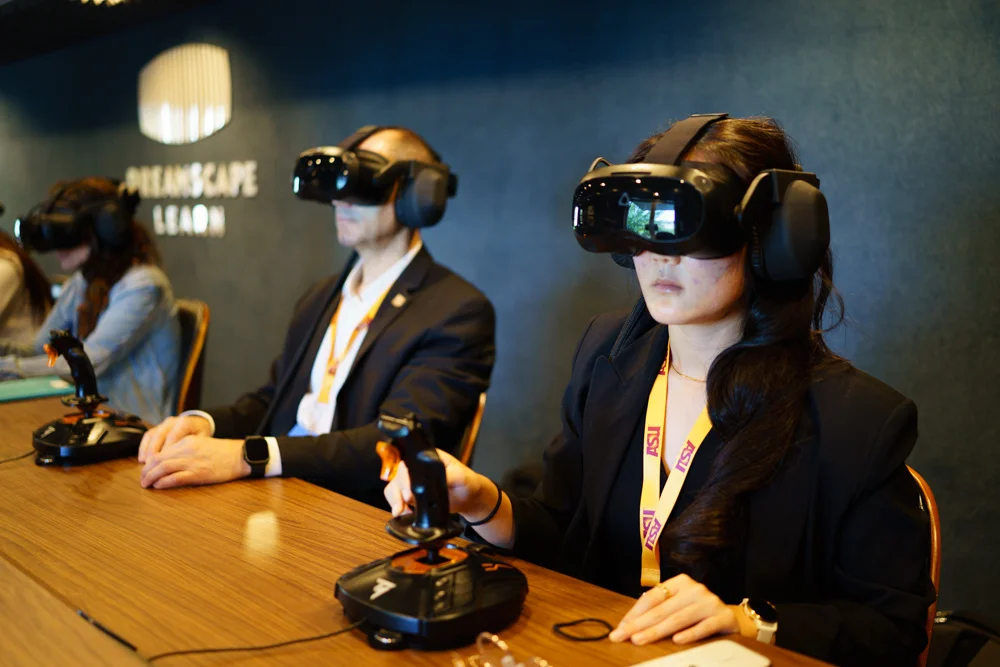
Over lunch, many of us put on headsets at Dreamscape Learn, ASU's immersive VR learning experience, to see how simulation and gamification can transform learning. After a second round of How We Built It sessions and a lessons-learned regroup, we headed to the Musical Instrument Museum to explore, then ended the day at the Under the Desert Sky: Innovators' Reception.
Day 3
Building a personal development path for 2027
The final morning took us to Arizona State University's downtown Phoenix campus for a half day focused on the individual. After a recap of Day 2, two sessions under the theme "The Individual Lens" asked everyone to translate the context and organizational challenges we had discussed all week into their own professional development path for 2027.
UNICON's closing session then wrapped up the conference before lunch and departures, with plenty of goodbyes and promises to stay in touch until next year.
Keep learning with UNICON
Grow your team all year round
The Team Development Conference is one moment in a year of learning together. The UNICON Leadership Academy develops the next generation of executive education leaders, and our Business Development Accelerator is built for the people who grow executive education.
Thank you
See you in 2027
A huge thank you to Arizona State University for hosting us so generously. Thank you to the Conference Committee, our speakers and table facilitators, the Benchmarking Committee, and everyone who came and shared so openly.
And thank you to our sponsors, XED and Emeritus, whose support makes initiatives like our new research hub possible.

Next up is the Directors' Conference 2027 in Sydney and Melbourne, hosted by AGSM at UNSW Sydney, followed by the Team Development Conference 2027 at EGADE Business School, Tecnológico de Monterrey, in Mexico. Planning the trip to Australia? Catch up on our travel webinar with Australian schools, including the Q&A and FAQs.
Enjoyed the week? Help us spread the word by liking and sharing the reel on LinkedIn.
Watch and share the final reel