
The detailed write-up of the UNICON Team Development Conference 2025 (TDC 2025) at Johns Hopkins Carey Business School is now available, thanks to the IEDP team.
This comprehensive resource is invaluable for those who attended and wish to recap and share key learnings with colleagues. It is equally beneficial for those who couldn’t make it and want to dive into the transformative discussions and findings from this year’s conference.
Conference attendees: the slides and documents shared during the event are now available on Whova!
Key insights and trends
This document includes key insights and session highlights, summarizing each day’s activities.
Here are some key insights and stats from the report:
UNICON Benchmarking Survey 2025
UNICON’s annual benchmarking report is a ‘must have’ piece of industry research for business school-based executive education professionals, building on decades of experience from our Benchmarking Committee and Percept Research.
Findings, insights and trends from this year’s report were presented in an interactive session using Mentimeter to poll the room, quiz participants against the data, and enable live feedback and suggestions for future years.
(2024–25)
There was a big recovery from the pandemic, and it looks like it’s levelling off or stabilizing. Gross annual revenue is now double five years ago.
Brian Mahoney, Percept Research
Please note that the prime representatives from the schools who participate in the study receive the report.
How I Built It: Snapshots From the Field
A series of How I Built It presentations by some of the executive education teams in attendance moved the conference from meaning to action, showcasing how UNICON schools are designing, scaling, and sustaining programs that create real impact. These rapid-fire case studies not only highlighted the ingenuity on show across the consortium but also primed participants for the afternoon Hackathon — offering fresh examples, approaches, and provocations to spark creative problem-solving in their own collaborative challenge.
Harvard Business School — Designing for Durability
In response to rapid growth, turnover pressure, and inconsistent processes, Harvard Business School built a durable onboarding and process-learning infrastructure designed to scale with organizational complexity. Senior Associate Director Josh Williamson described a shift from ad hoc problem-solving to system design, anchored by three elements: a dedicated process-specialist role, a single source of truth for documentation, and a repeatable onboarding model that evolves as the work evolves.
Their Learning Lab provides structured ramp-up for the first 90 days, while Training Innovation Specialists design and deliver both orientation and skill-building programs — from administrative fundamentals to public speaking workshops. Asynchronous learning tools and continually updated documentation reinforce consistency. Williamson emphasized that “durability” is built through behaviors: listening first, building partnerships, hiring for curiosity, growing iteratively, and sharing expertise. The result is increased confidence for new hires, reduced strain on managers, and a more resilient organization positioned to deepen, expand, and innovate — through AI-supported simulations and responsible documentation practices.
ESSCA School of Management — Scaling a New Campus Through Agile Structure
ESSCA’s presentation, delivered by Joan Vicens Sard, traced how a newly formed international unit helped the school rapidly establish a new branch campus in Málaga, Spain. What began as a seemingly straightforward internationalization project quickly required an agile, empowered structure — a task-force model able to move faster than traditional governance. As Vicens noted, “We made decisions in hours that would’ve taken months at HQ — because we had to.”
The task force approach enabled speed, cross-functional collaboration, and on-the-ground problem solving, but it was also inherently temporary — a scaling tool, not a sustainable long-term structure. ESSCA used the model to navigate site selection, local ecosystem fit, program architecture, and operational readiness, ultimately launching executive education, learning expeditions, and student mobility initiatives ahead of the new campus opening in 2025. Vicens highlighted both the momentum and the limits of this approach: agile teams rely on borrowed people and budgets, and eventually meet the constraints of policy, hierarchy, and legacy processes. Still, the project demonstrated that structure streamlines strategy — and, when done well, can “give life to a small ecosystem” and not ‘just’ open a campus.
INSEAD — Scaling Immersive Learning Through VR and AI
INSEAD’s Immersive Learning Initiative, presented by Katy Falcao, showcased how the school is transforming passive learning into deeply experiential, behavior-shifting development. Building on the insight that “we remember 90% of what we do,” INSEAD created the world’s largest VR library for management education, with 30+ cases, 60+ faculty users, and 7,000+ learners in 24-25. The ecosystem includes case writers, designers, recording teams, hardware support, faculty onboarding, and a teaching hub — all designed for scale.
The VR environment addresses core pain points in executive learning by boosting engagement, eliminating pre-reads, and enabling faculty to teach with greater efficiency and impact. It also opens new behavioral insights: heat-map decision tracking, perspective-taking, bias elicitation, and A/B testing inside a controlled “behavioral lab.” Since 2024, INSEAD has expanded the portfolio with Immersive AI cases and premium online programs with AI bots, strengthening personalization and learner ownership. The result is an end-to-end immersive strategy that moves from engagement to analytics — and now toward adaptive learning powered by XR and AI.
ASU W. P. Carey School of Business — Building a Universal Learning Ecosystem
Presented by Raghu Santanam, ASU’s W. P. Carey School outlined its effort to build a universal learning ecosystem that expands career mobility and access for diverse learners. With 23,000+ students and multiple top-ranked programs, the school is investing deeply in stackable, flexible pathways that connect skills, academic credit, certificates, and degrees within a unified credentialing framework.
Pathways span micro-credentials, professional certificates, academic courses, foundational/advanced certificates, and undergraduate/graduate certificates. These can stack into degree programs, allowing working learners to navigate from short, targeted offerings to comprehensive academic study. Courses in supply chain, procurement, leadership, and AI illustrate how applied learning and academic rigor intersect — supported by strong learner feedback praising clarity, relevance, and instructor engagement. The model positions ASU to serve learners at every stage, embedding accessibility and mobility into the school’s identity as a leader in lifelong learning.
University of Georgia Terry College — Designing a Sustainability Leadership Journey
UGA Executive Education’s Sustainable Development Excellence (SDX) program, presented by Jason Parrish, demonstrated how a values-aligned corporate partnership can build a meaningful leadership pipeline. Co-created with a global health and animal-science company committed to “More Health, More Potential, More Green,” the SDX certificate program equips leaders to align profitability with purpose by integrating sustainability into everyday decisions.
Delivered through a blended model — in-person immersion, virtual sessions, applied strategic projects, and co-delivery by faculty and corporate leaders — SDX develops mindsets and behaviors for long-term impact. Participants explore critical topics such as climate change, water stewardship, community health, inclusive leadership, and sustainable food systems. The results are significant: a 4.7/5 evaluation score, $2.1M in savings identified in the first cohort, 20% of graduates promoted, and a reach of 4,255 colleagues through advocacy activities. The model is now scaling globally, supported by SDX alumni who commit 80 hours of sustainability advocacy post-program — a true “peaceful army” of sustainability ambassadors.
IMD — We@IMD: An Internal Development Program for a More Collaborative Culture
IMD’s We@IMD initiative, presented by Christopher Hobrecker, offered a distinctive internal perspective: a development program designed by IMD for IMD staff. Grounded in the school’s mission to create a more prosperous, sustainable, and inclusive world, the program gives every staff member access to IMD’s signature learning environment while strengthening collaboration, leadership capacity, and organizational awareness.
The journey includes four modules, 3.5 days of in-person learning, virtual faculty-led sessions, weekly peer discussions, mentoring, and an innovation challenge. Participants explore self-awareness, business awareness, IMD’s culture and strategy, team dynamics, and communication impact — often using IMD’s newest pedagogical enablers, including VR, AR, and global-signal tools. The program has produced strong results: NPS 89, 90% reporting practical and applicable learning, and recognition with a Gold Brandon Hall Excellence in Technology Award. Participant testimonials highlight deep personal insight, cross-department connection, and a renewed sense of belonging — evidence that investing internally can be as transformative as any client-facing program.
FDC — A Strategic Approach to Market Expansion in Executive Education
FDC’s case, presented by Paula Warick, highlighted how the school is reshaping its growth strategy amid intensified competition and rising demand for highly customized executive education. Following a major rebranding and the launch of its São Paulo campus, FDC has been evolving from a reactive, demand-driven posture to a proactive, data-informed approach — while maintaining the personalized DNA that characterizes one of Latin America’s leading business schools.
A central element of this transformation is the Innovation & Internationalization Squad led by Warick, which operates within Market Development but serves as a strategic bridge between Marketing, market-facing teams, and program directors. This integration has allowed FDC to accelerate opportunity creation, expand its presence, and strengthen alignment across the client journey.
The strategy is anchored in four coordinated initiatives:
- Segmentation and relationship intelligence, deepening client understanding, informing engagement models, and identifying growth potential.
- Targeted go-to-market campaigns, mapping client challenges and tailoring content to open new segments.
- Thought-leadership and positioning, using executive forums, webinars, workshops, and strategic communications to reinforce FDC as a partner for organizational transformation.
- Internationalization, expanding global partnerships and designing customized corporate learning journeys abroad.
Together, these initiatives create a scalable, ecosystem-driven growth model. As Warick emphasized, FDC is “living the transformation we teach” — modernizing, globalizing, and creating.
🎥 Conference Videos
Relive the energy, laughter, and connections made at #UNICONTDC through our day 1 and summary highlight videos:
📸 Full album now available!
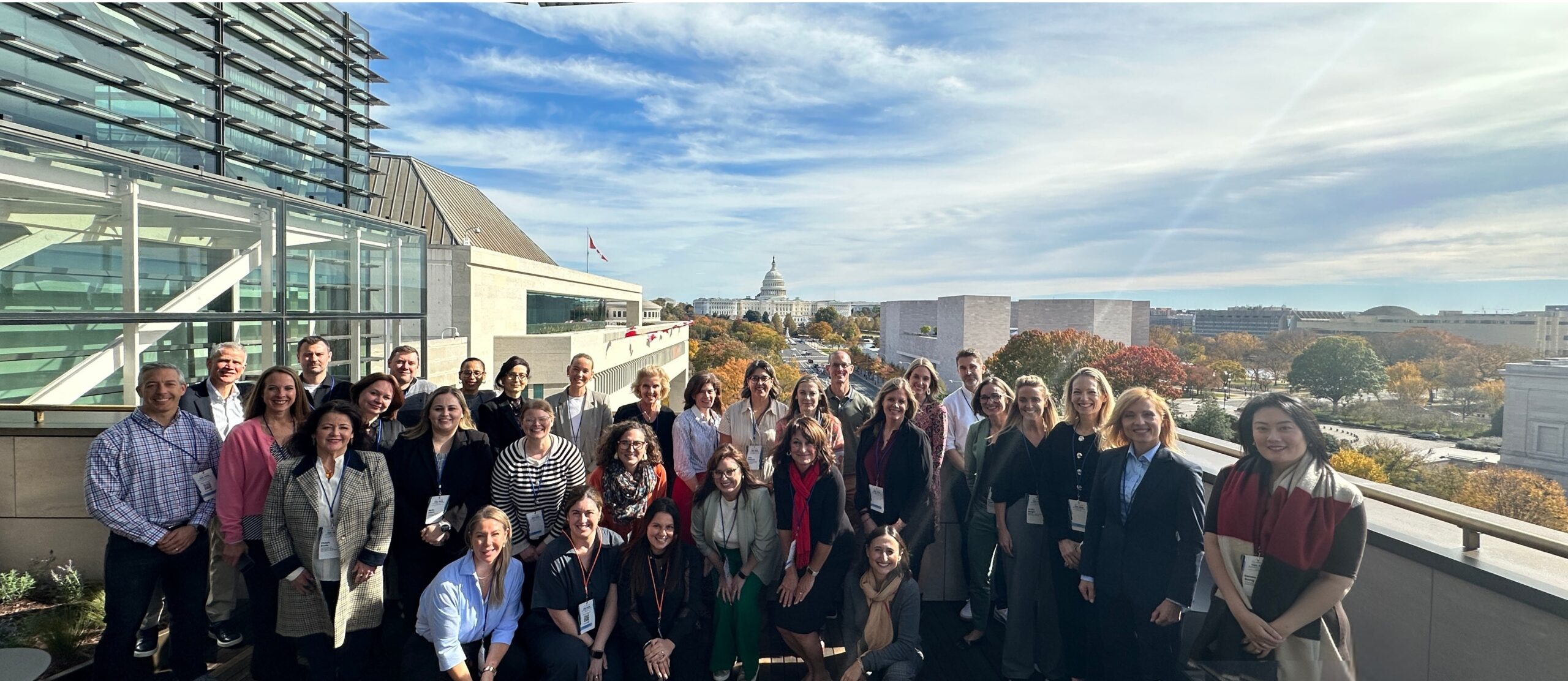
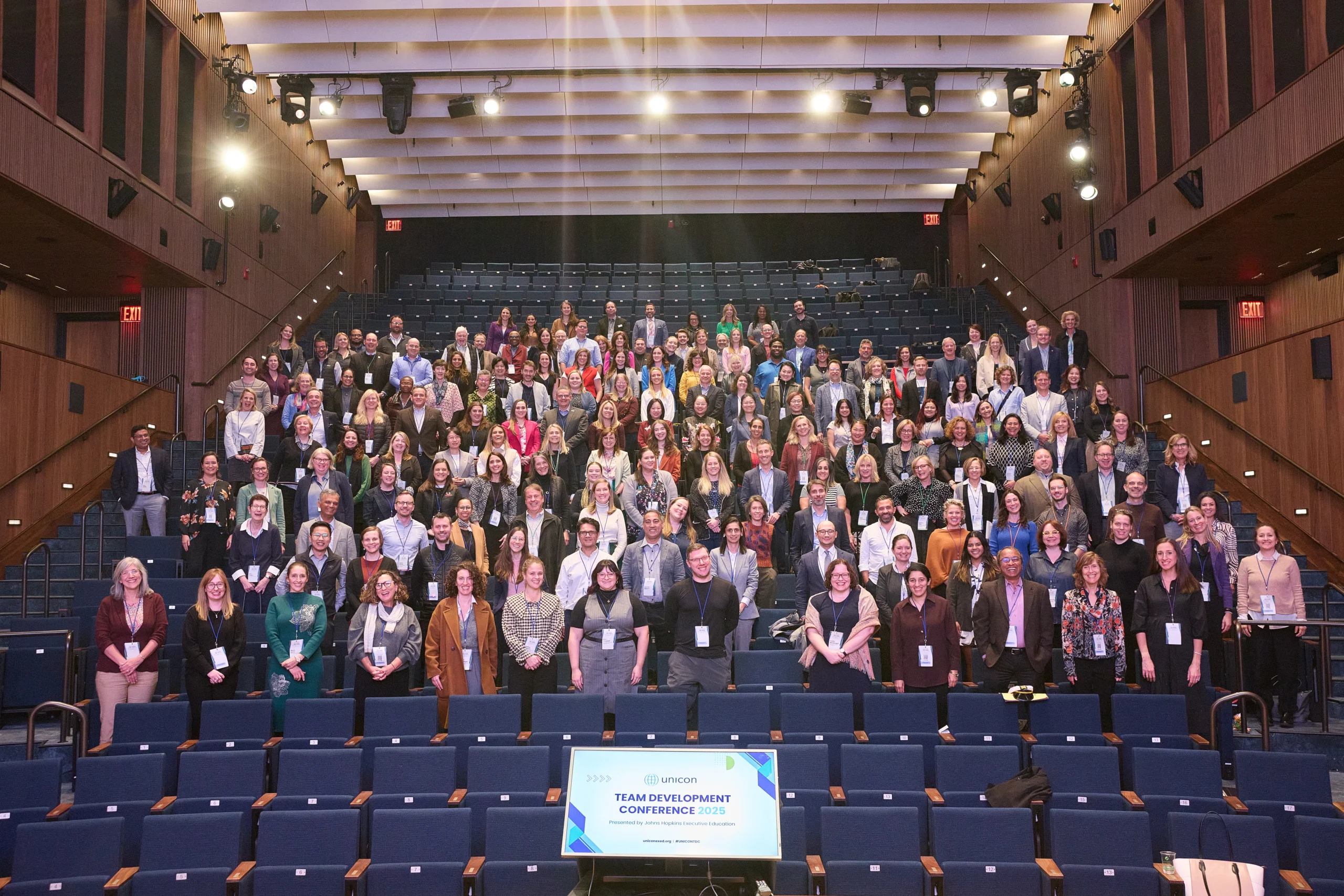
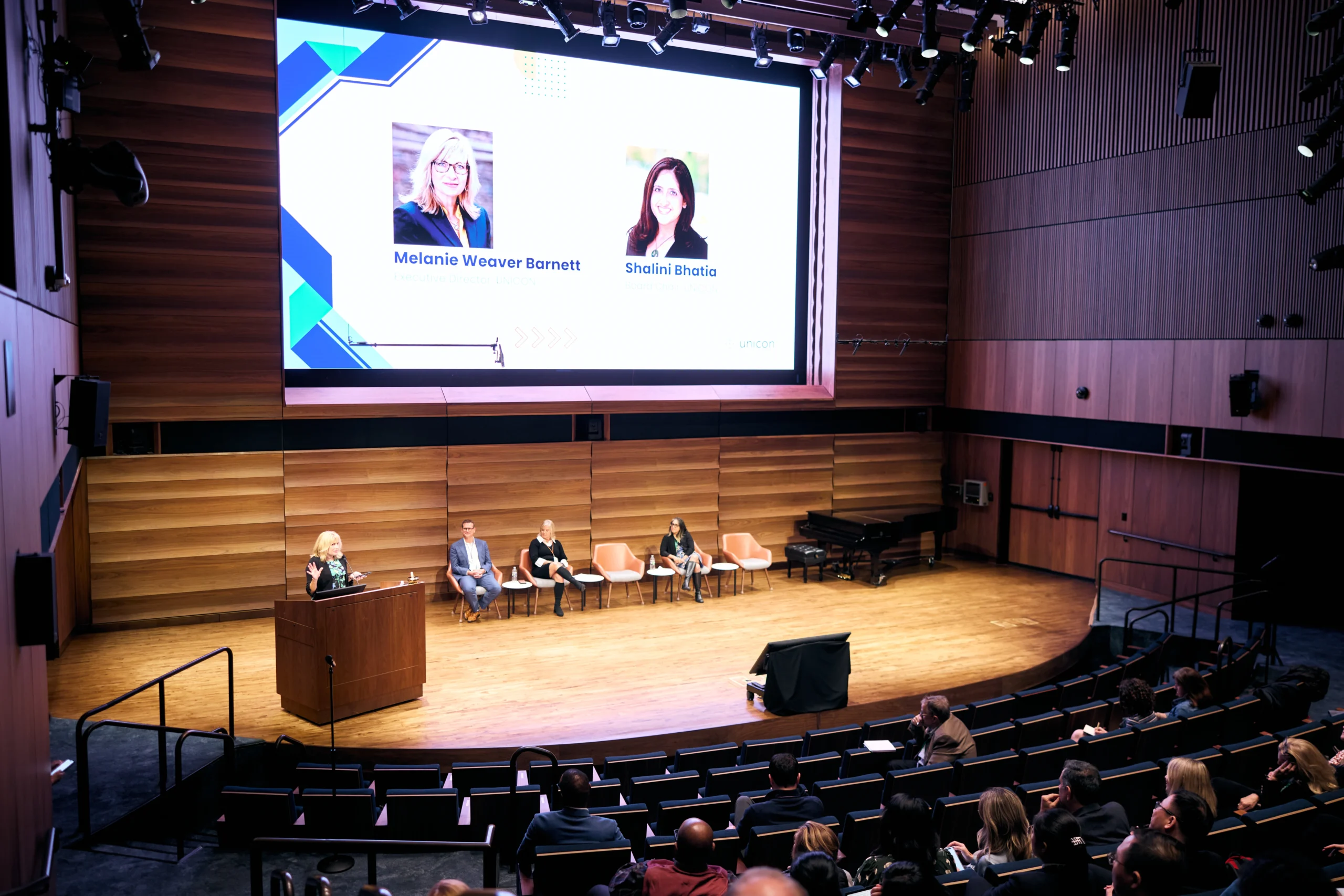
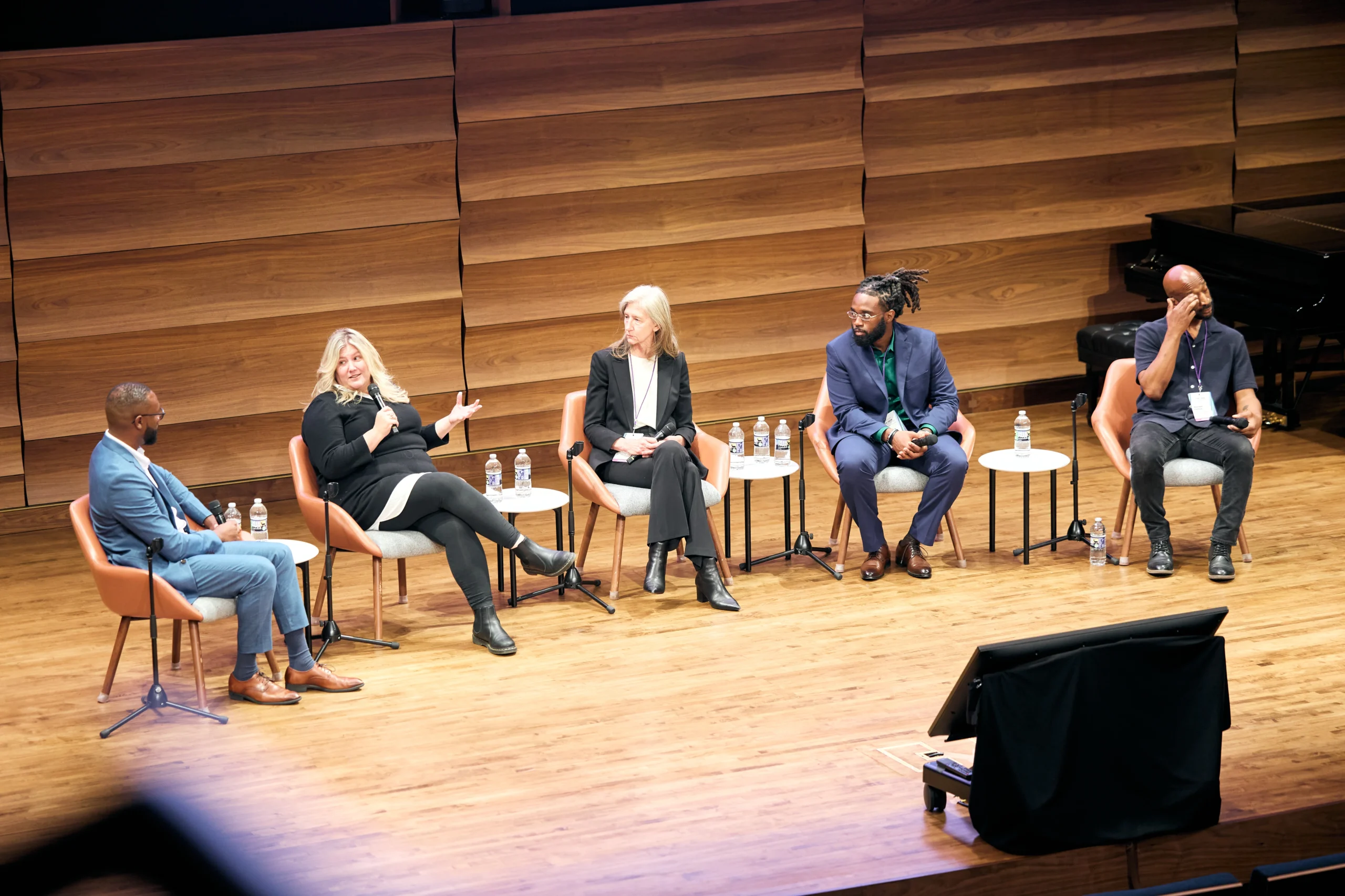
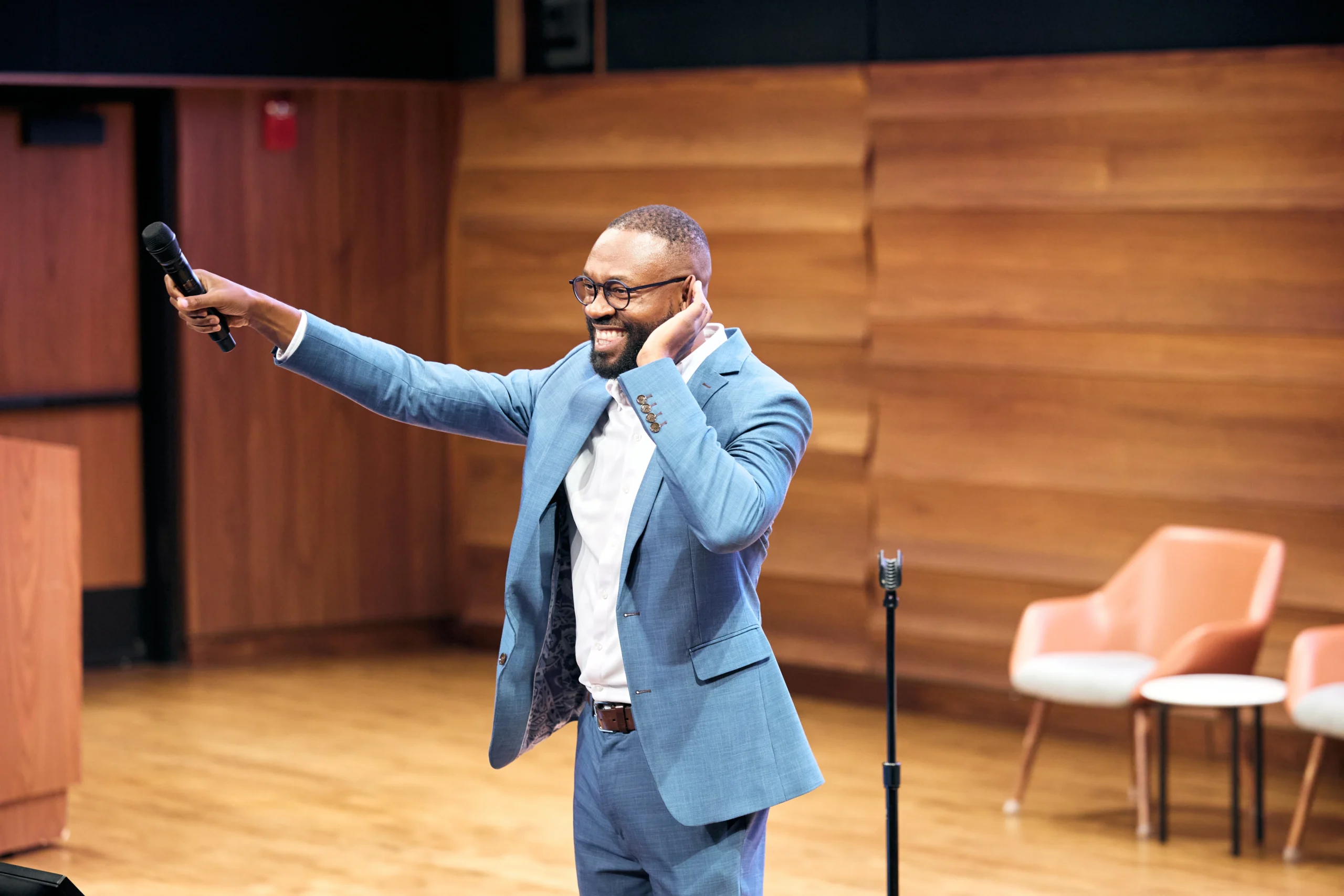
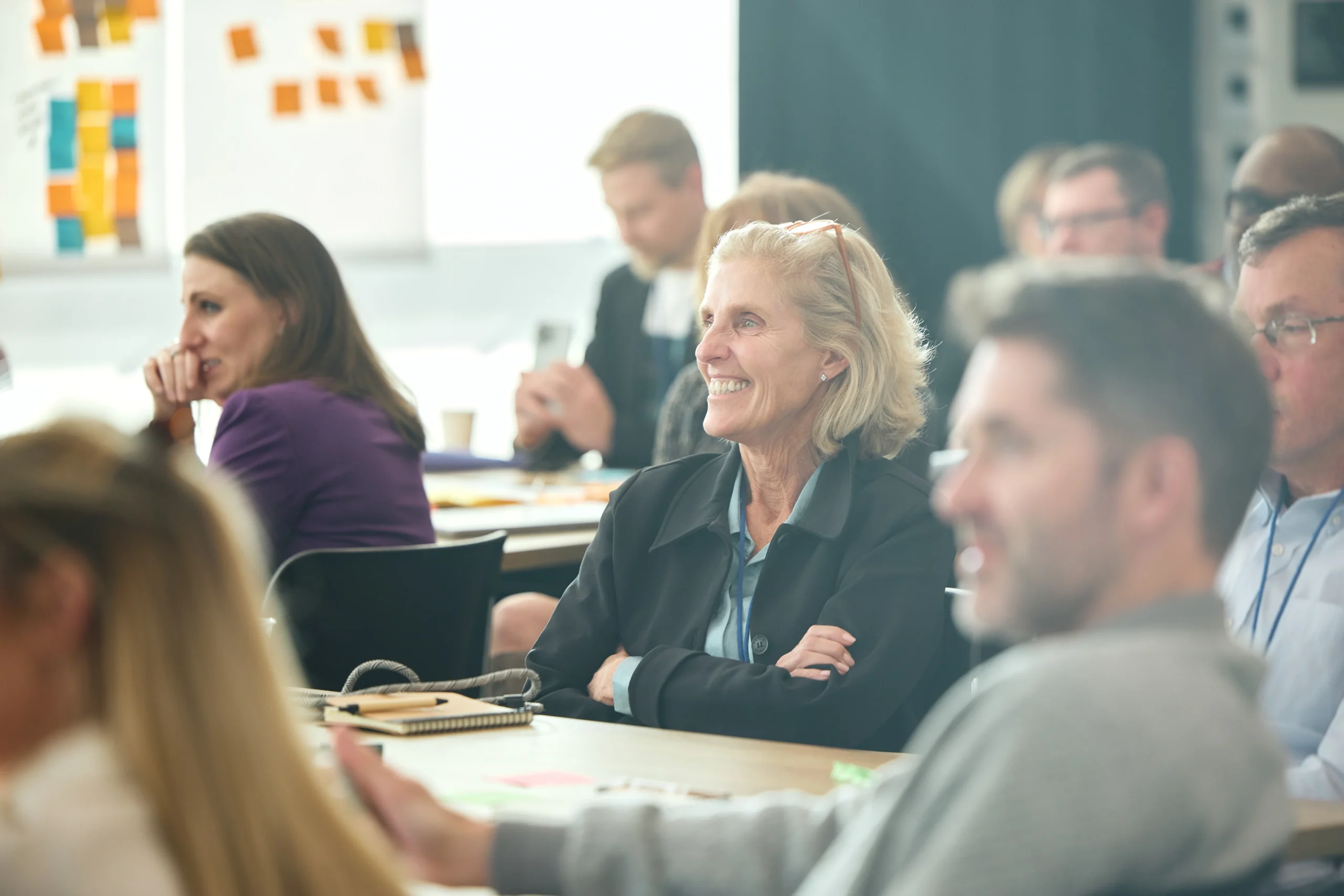
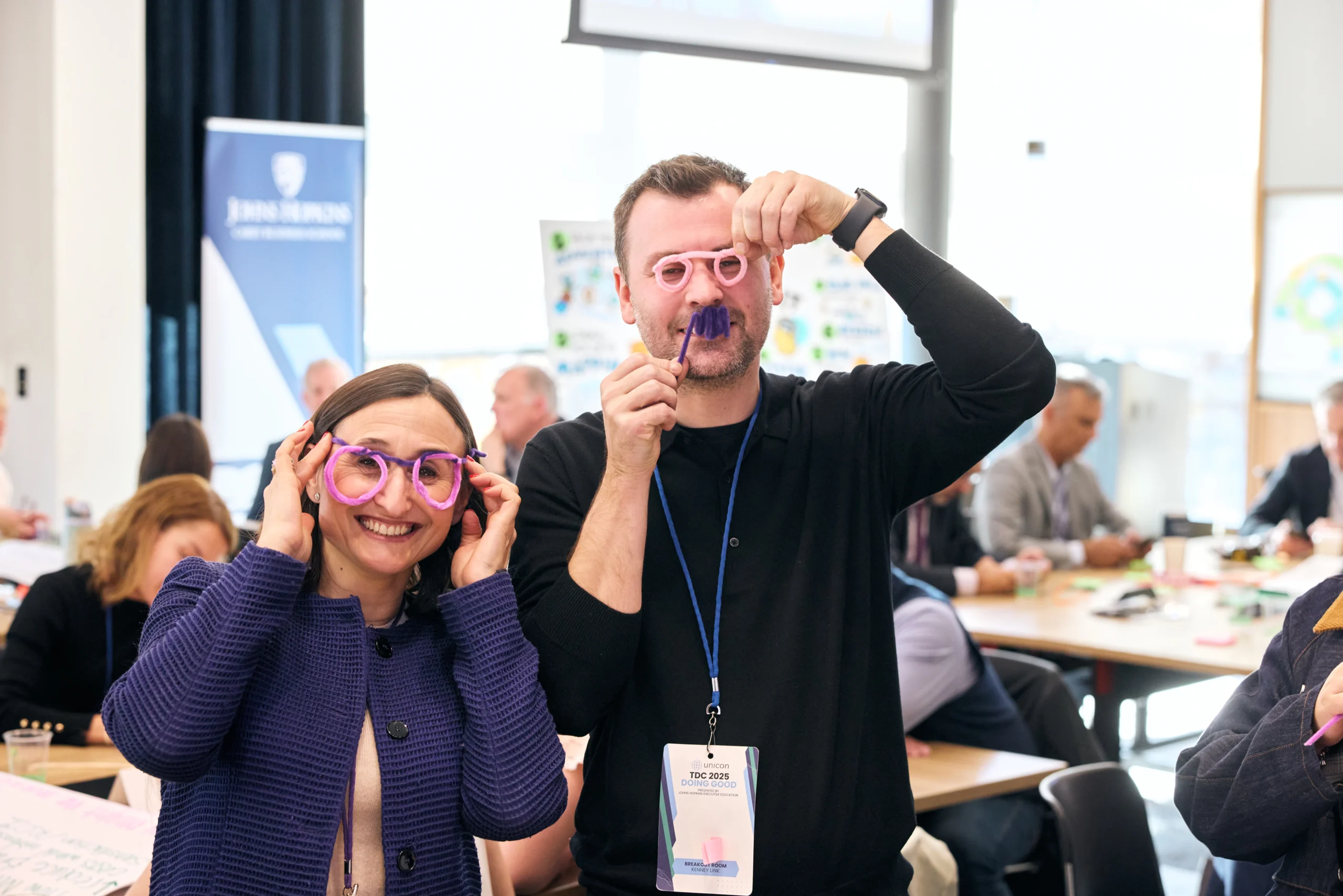
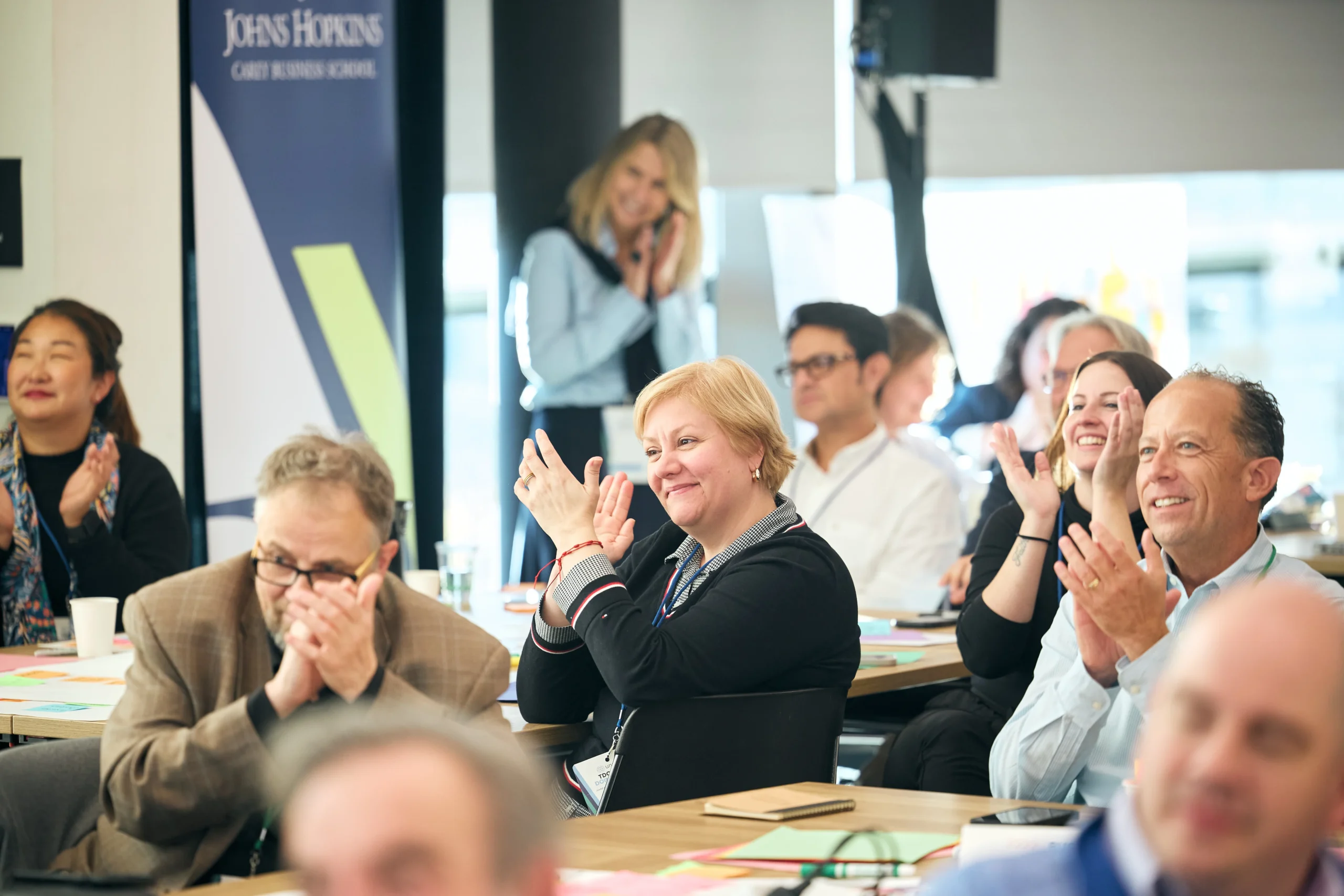
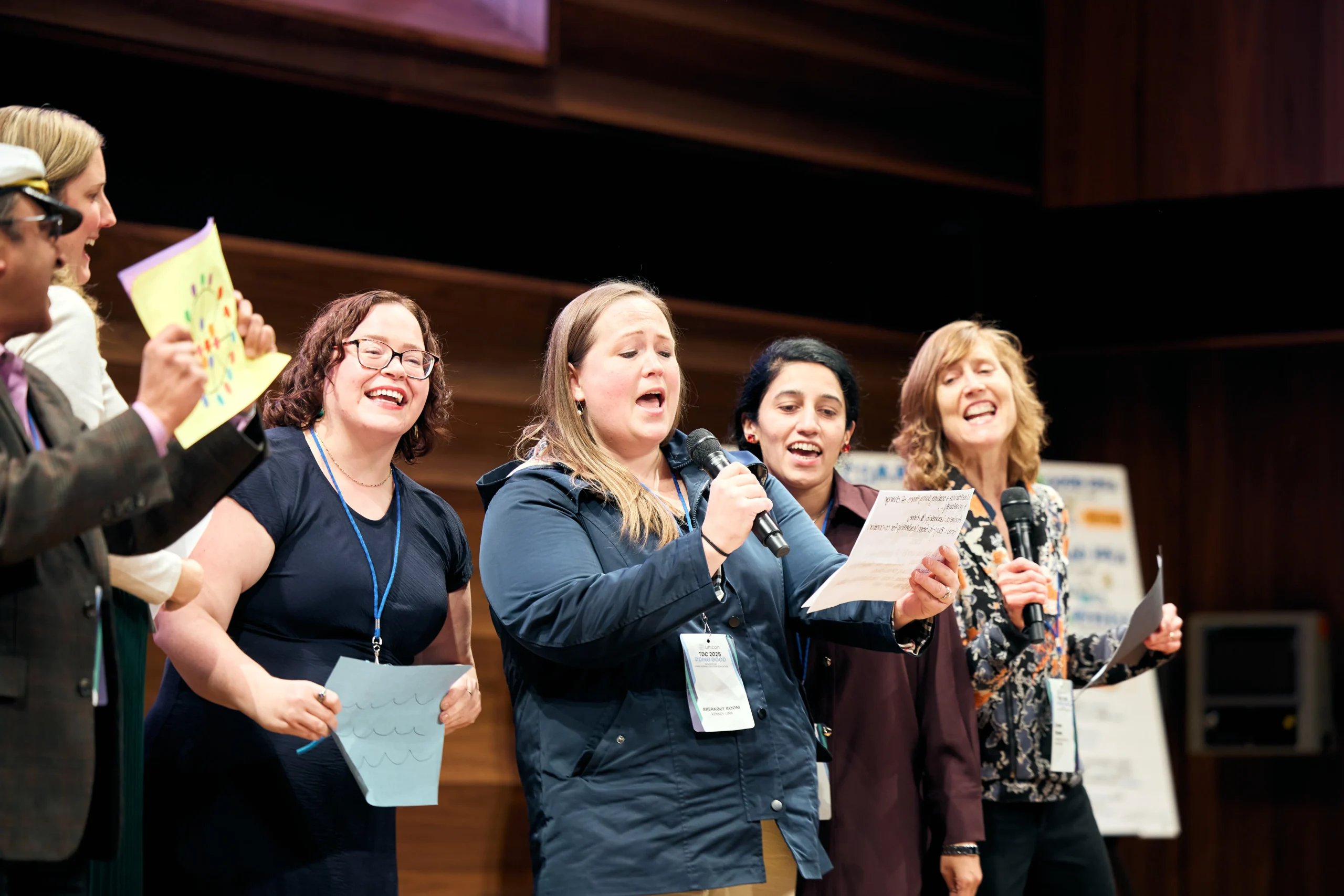
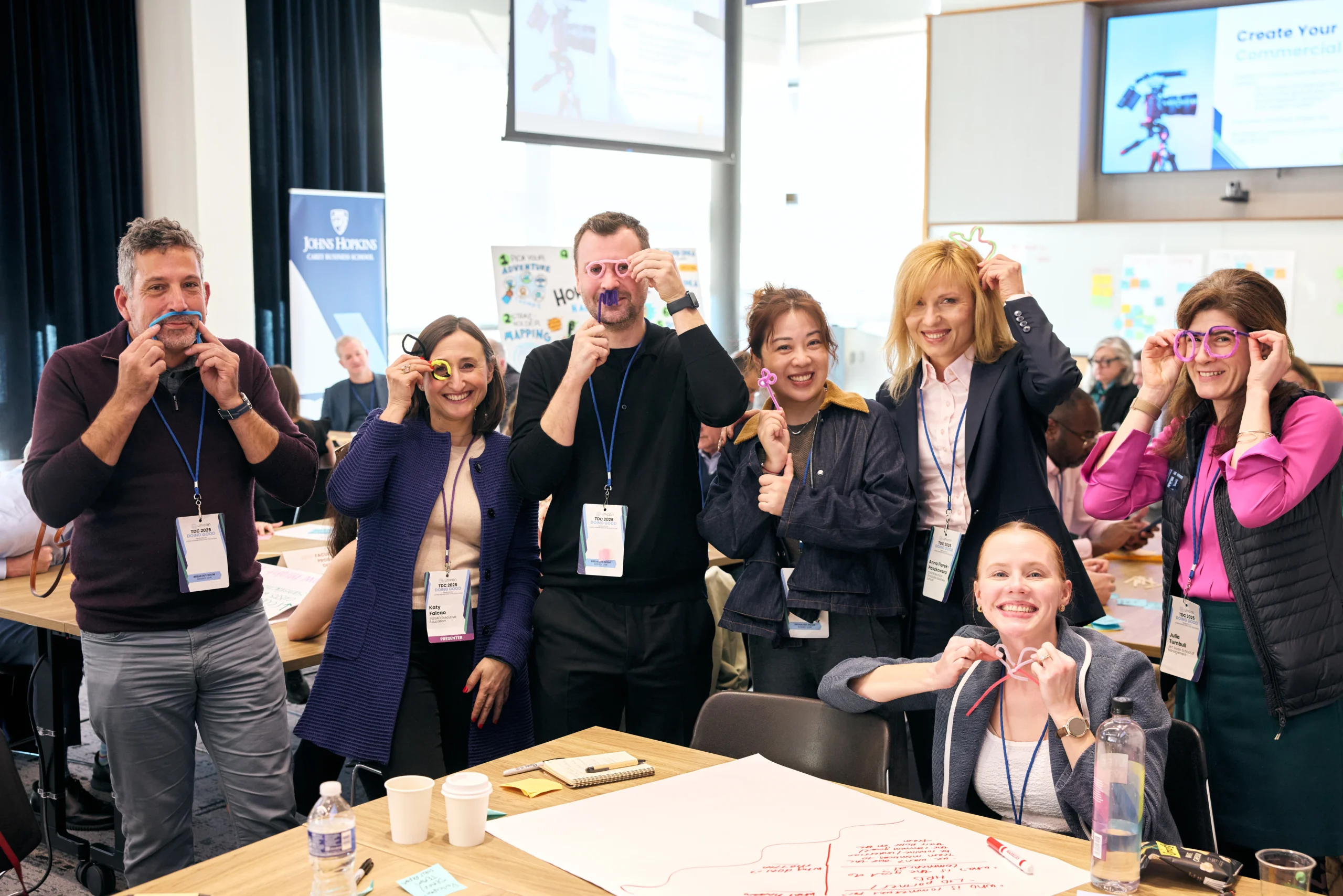
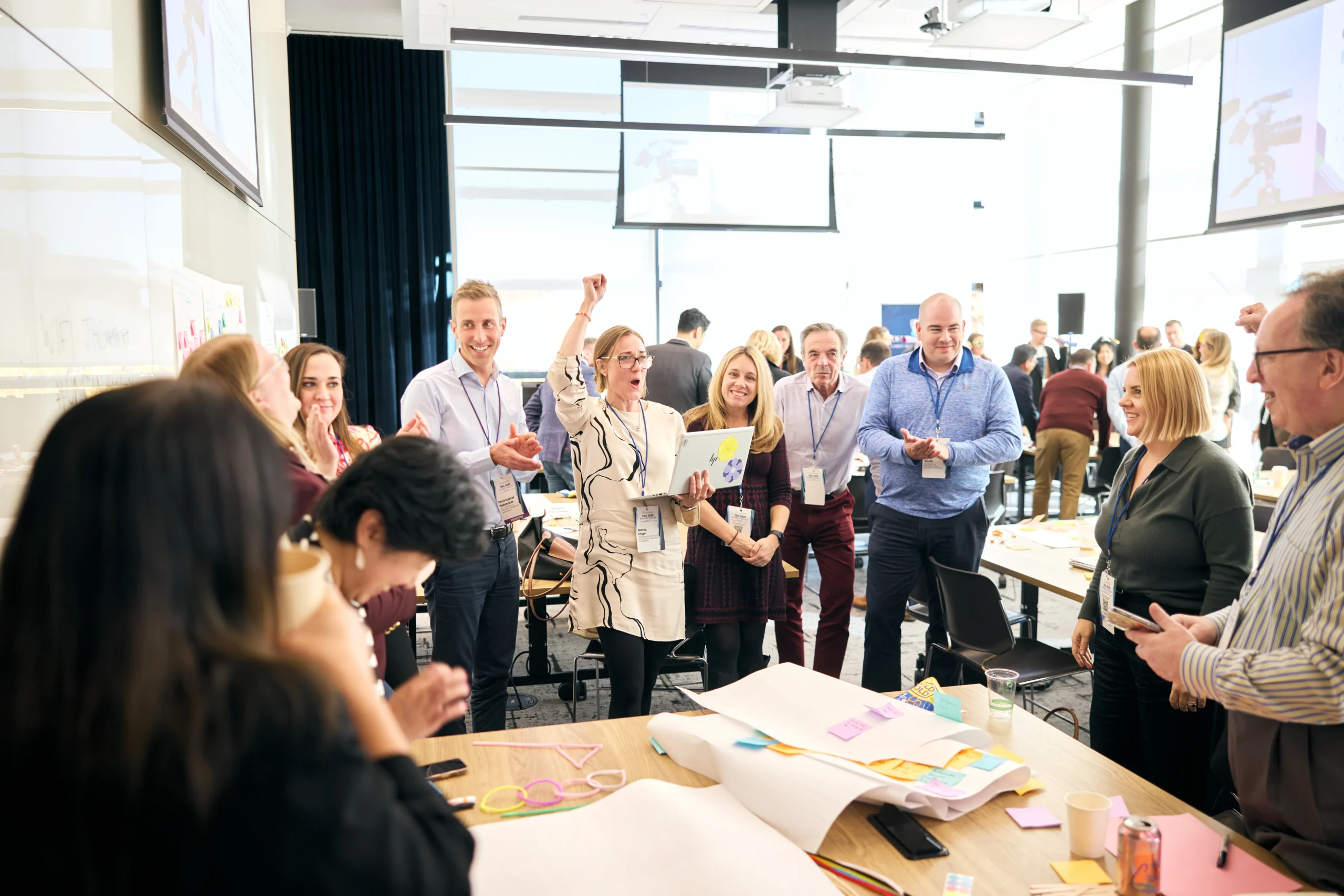
Some moments deserve to be revisited again and again. We’ve selected key highlight photos from the event, capturing the vibrancy of #UNICONTDC. Explore the full album now on UNICON’s Flickr channel:
Keep the Conversation Alive
📢 Share insights and reflections using #UNICONTDC on social media.
💡 Share your Conference insights in the comments section below!
🌐 Discover more on UNICON’s LinkedIn page
See you at the next UNICON event!